A Cineasthesia Project

HOME

An immersive arts installation using neuroaesthetics to proof-of-concept climate resilient housing.

Enter

HOME

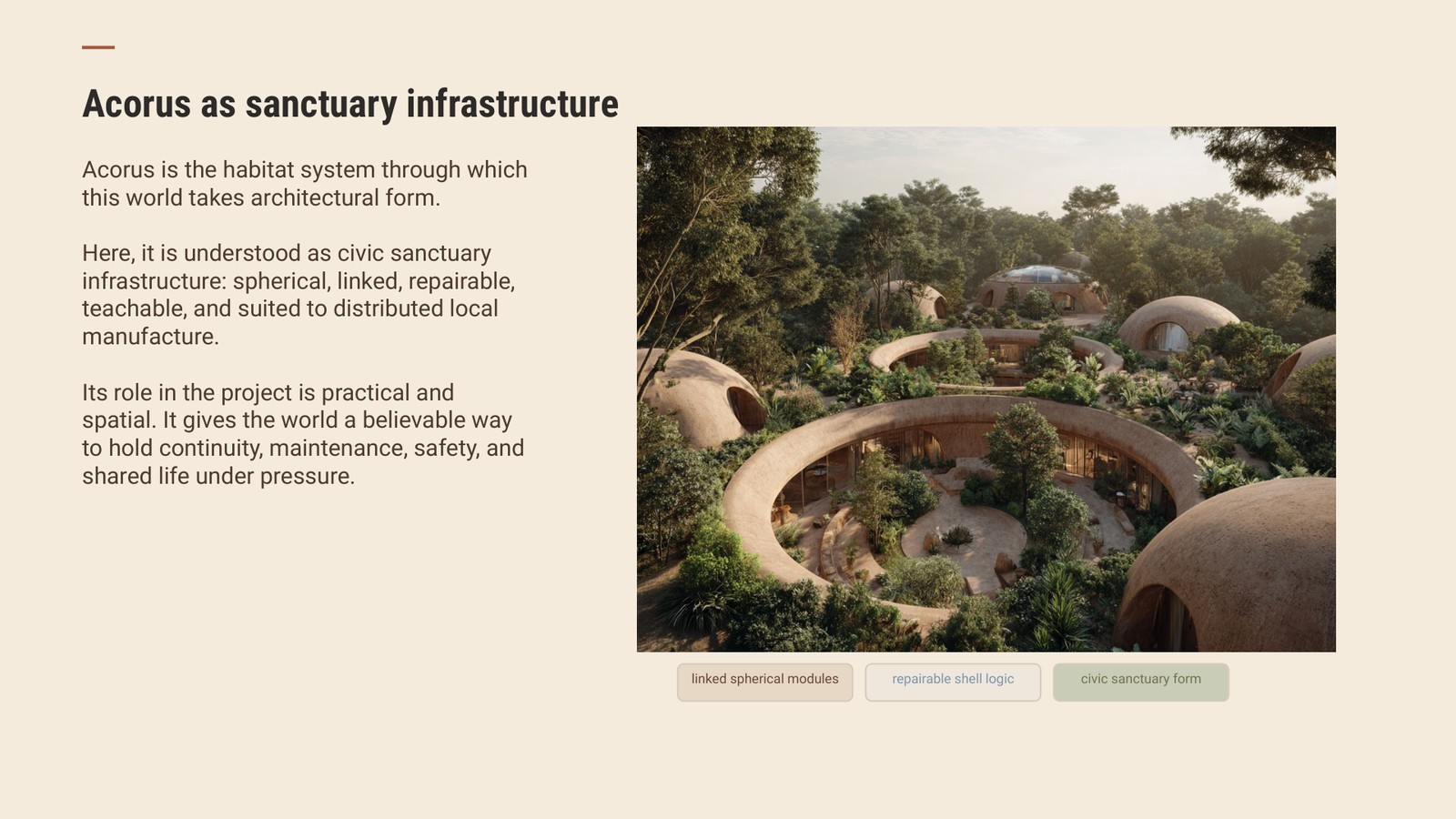
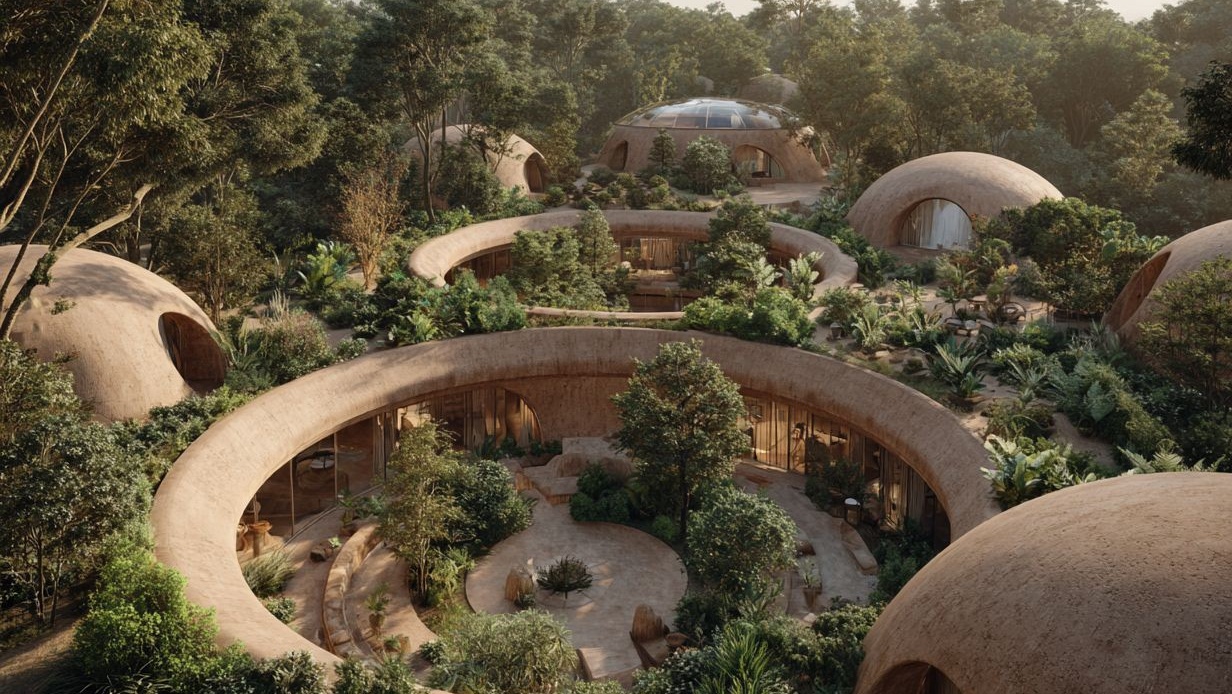
Acorus sanctuary garden courtyard Mobile · Immersive · Multisensory

Cultural Reclamation, Nervous System Restoration, Climate-Resilient Housing

The Last Draw/Home operates at the intersection of three urgent imperatives: cultural reclamation, nervous system restoration, and climate-resilient housing.

Through Ghanaian indigenous practices—sound frequencies, ceremonial pacing, ancestral storytelling modalities—the project invites visitors into what we call “cultural design”: architecture and narrative shaped by the epistemologies of the communities it serves.

Ultimately, The Last Draw/Home asks: what would housing look like if it were designed to heal? And what stories do we need to tell to build that world?

HOME — The Experience

The durational structure of HOME mirrors ceremonial timescales, giving participants space to move from cognitive processing into somatic knowing. AR layers, volumetric projections, and spatially mapped soundscapes create environments where visitors encounter their own stories reflected back—not as trauma, but as source.

Each sensory chamber is designed using neuroaesthetic research to activate specific neurological responses: lowering cortisol, stimulating oxytocin and dopamine pathways, inviting the body back into safety. Visitors don’t just observe—they participate through story and immersion. The experiences trigger the parts of the brain linked to joy, happiness, and euphoria via film, oral storytelling, sound frequency, bass vibrations, volumetric laser mapping, interactive art revolving around touch, cinemagraphs, and scent.

“How can we create both an externalized nervous system through design technology and an internalized nervous regulator through story and somatic sensory experiencing—linking the knowledge and ancient tech that has always been there to the technology of today?”

Drawing from Alice Walker’s radical tenderness and Audre Lorde’s framing of self-care as political resistance, this project destigmatizes play, rest, and joy for people who may be in survival mode.

Built inside a mobile 40ft shipping container on wheels, HOME travels directly to working-class neighborhoods across the United States, the Black diaspora, and continental Africa, engaging with different artists in each community. Each experience has its own separate space and is linked to a story, creating an interconnected larger narrative—layers revealed like a Russian doll across different mediums.

Film Sound Frequency Bass Vibrations Volumetric Lasers Oral Storytelling Touch Cinemagraphs Scent

HOME — Shelter as Design

The installation also serves as a functional prototype for fire-resistant, ecologically designed affordable housing. As climate disasters disproportionately displace Black and Brown communities—from wildfire corridors in California to flood-vulnerable neighborhoods across the Gulf Coast and West Africa—we need housing models that are both structurally resilient and culturally resonant.

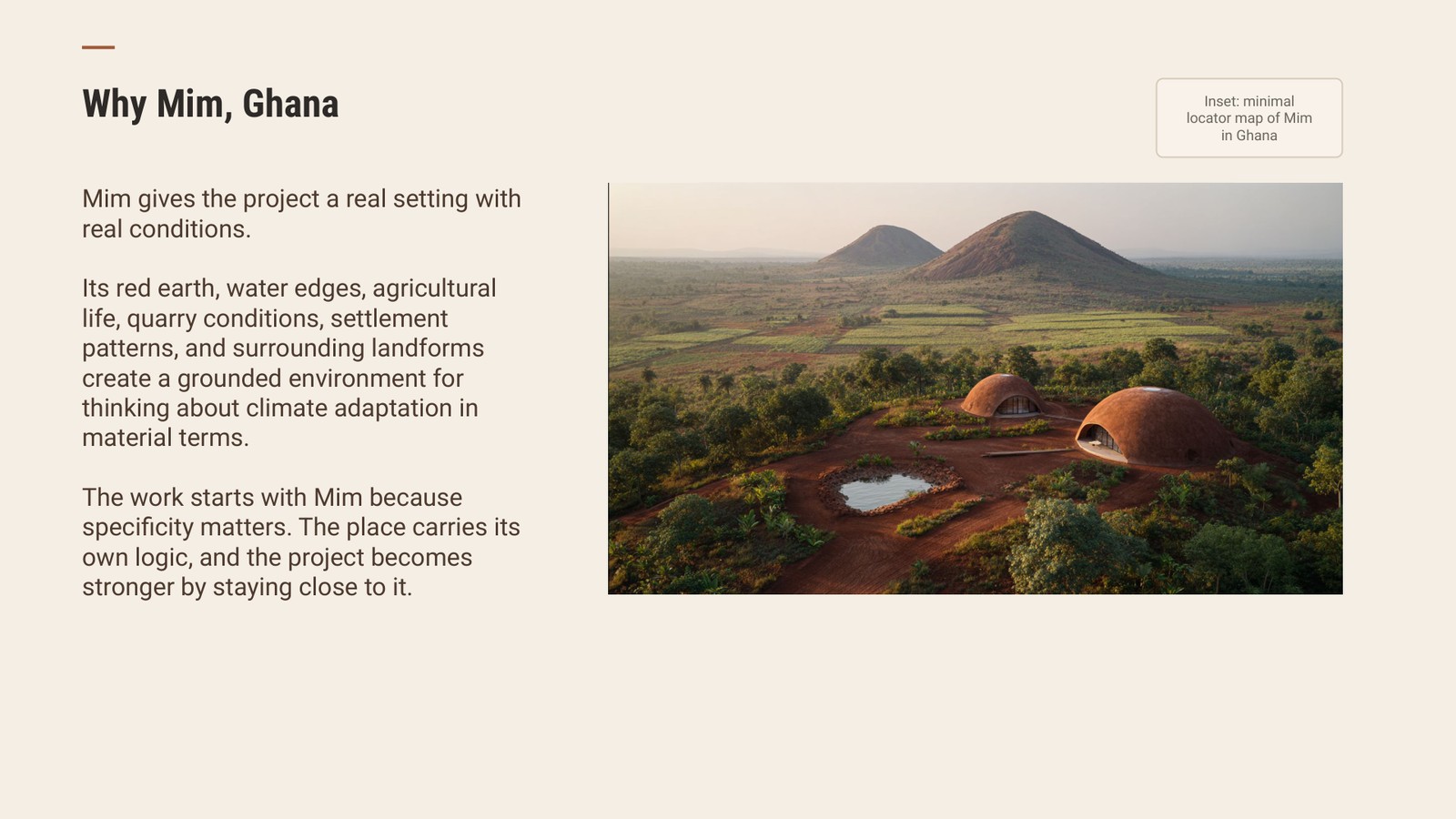
The Last Draw/Home investigates what “home” can be when designed from indigenous knowledge systems rather than extractive development logic. The project asks what becomes visible when future habitation is grounded in land, culture, pressure, and daily life. For this work, that place is Mim, Ghana—its red earth, water edges, agricultural life, quarry conditions, settlement patterns, and surrounding landforms create a grounded environment for thinking about climate adaptation in material terms.

Story

Story

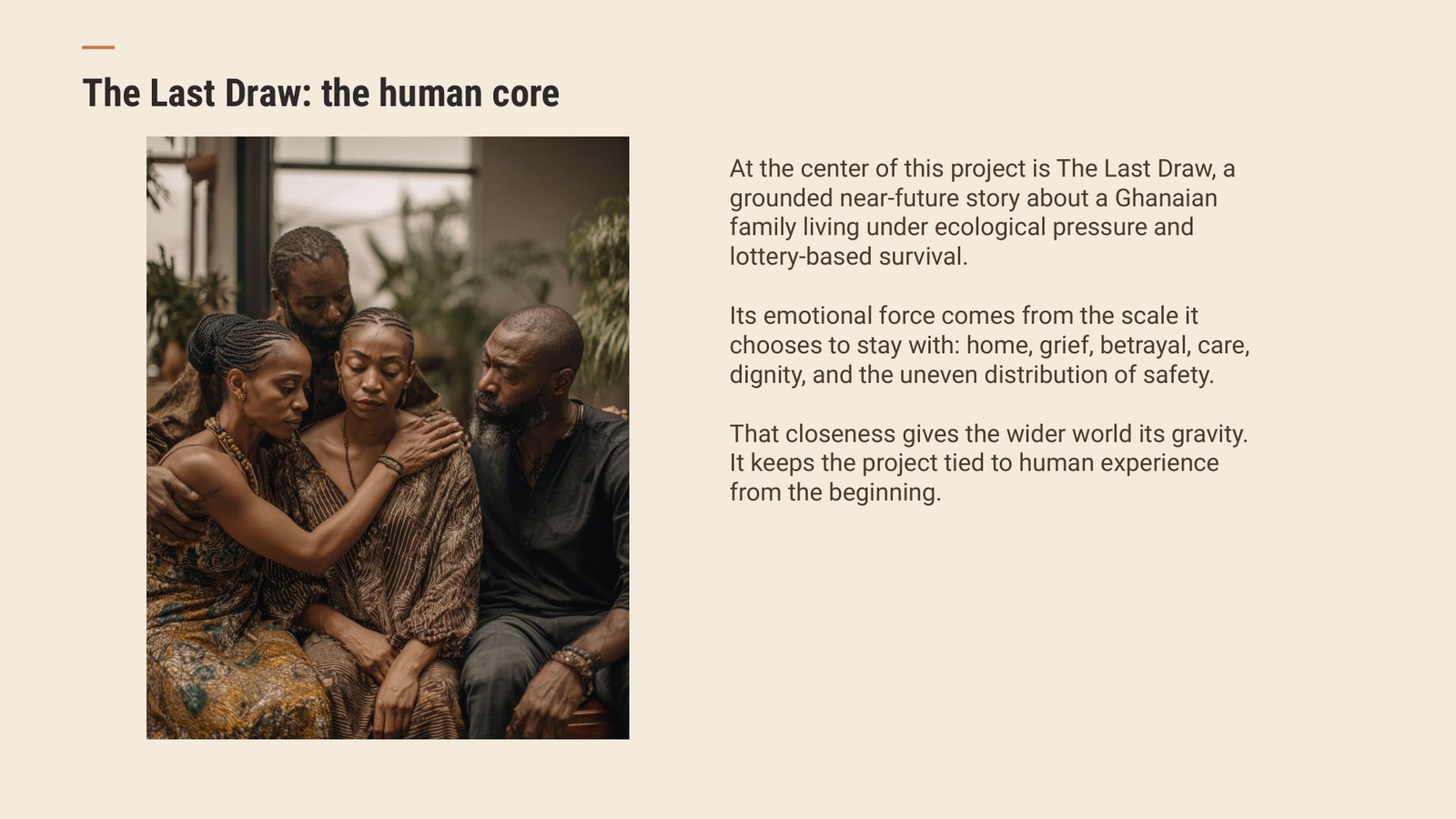
A grounded near-future narrative about a Ghanaian family living under ecological pressure and lottery-based survival gives the work its emotional life and human stakes.

Sanctuary

Sanctuary

The habitat system through which this world takes architectural form—spherical, linked, repairable, teachable, and suited to distributed local manufacture.

Land

Land

Food production, water catchment, soil repair, medicinal planting, nursery life, shade, and productive edges all shape how people live, move, and remain in place.

Together, they create a future that can be inhabited as a story, understood as a settlement, and developed as a serious public proposition.

The Last Draw/Home sits precisely at the intersections of story, land-use, climate futures, and real-time technology—but approaches that intersection from a position rarely centered in planning discourse. This is a project that deconstructs the various meanings of “home”, imagined through Black diasporic epistemology, where the act of dwelling is itself a narrative act, and where climate adaptation is inseparable from cultural survival.

Our use of real-time 3D technology—AR environments, volumetric laser mapping, spatially responsive projection—is central but not dominant. The Last Draw/Home operates at the scale of the individual nervous system, the scale of the neighborhood, and the scale of diasporic climate futures all at once. Story, ceremony, and shelter are developed together, each one informing how the others are experienced.

The Full Deck

HOME — The Creator

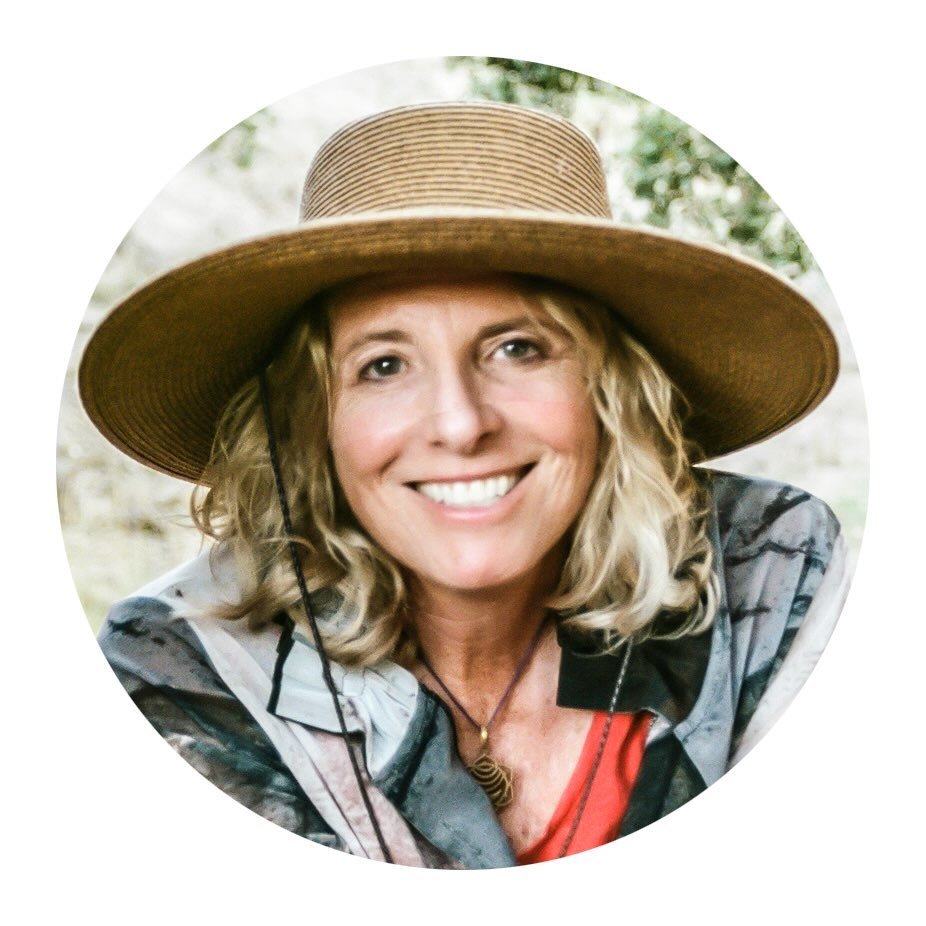
Elle Sam

Elle Sam

Storyteller · Filmmaker · Medicinal Healer

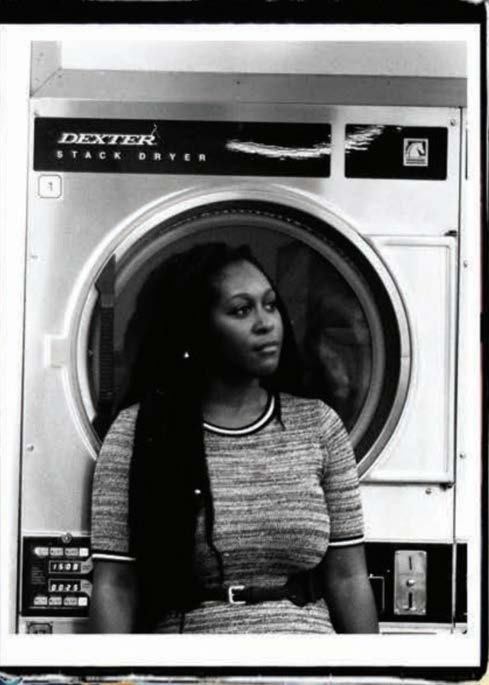
Michelle “ELLE” Sam is a storyteller, award-winning filmmaker, writer, multimedia artist, and medicinal healer of Ghanaian descent within the Fante, Akwapim, and Bwiti traditions. She holds a B.A. from Rice University in Visual and Dramatic Arts, Sociology, and Neuroscience—an interdisciplinary foundation that reflects the convergence driving her work. She carries a deep connection to land and lineage through her healing practice—a relationship that anchors her work across disciplines. A prolific storyteller with an extensive resume in film, television, immersive art installation, and community development, Sam brings indigenous knowledge systems, embodied narrative, and empirical neuroscience into every medium she touches.

Her film and television credits include writing for Jason Katims’ As We See It (Amazon), based on the Israeli series On The Spectrum about neurodiversity, and Hardly Working (Paramount+). Her short film Missed Connections (KweliTV, CFMDC) won the audience award at TranScreen Amsterdam Transgender Film Festival and was developed in collaboration with the GLAAD Transgender Media Equality Program. She wrote Black Boy Joy, which received a NAACP Image Award. She has feature and series projects in development with several major studios and production companies.

Sam was a speaker at TEDxAccra’s Chale Talks, and penned a limited series about refugees with Made Up Stories and Endeavor Content, Sankofa in the Outfest screenwriting lab. Beyond screen work, Sam cultivates immersive and interactive experiences and art installations that engage the nine senses, creating work across the Black diaspora and in continental Africa under her name, ELLE. She is co-founder of Out The Box Creative, a Ghanaian production company and artist collective based in Accra. Her practice bridges West African indigenous healing traditions, neuroaesthetics, and multimedia narrative—the convergence at the heart of The Last Draw/Home.
HOME — The Team

George A. Jackson II

George A. Jackson II

Habitat Systems

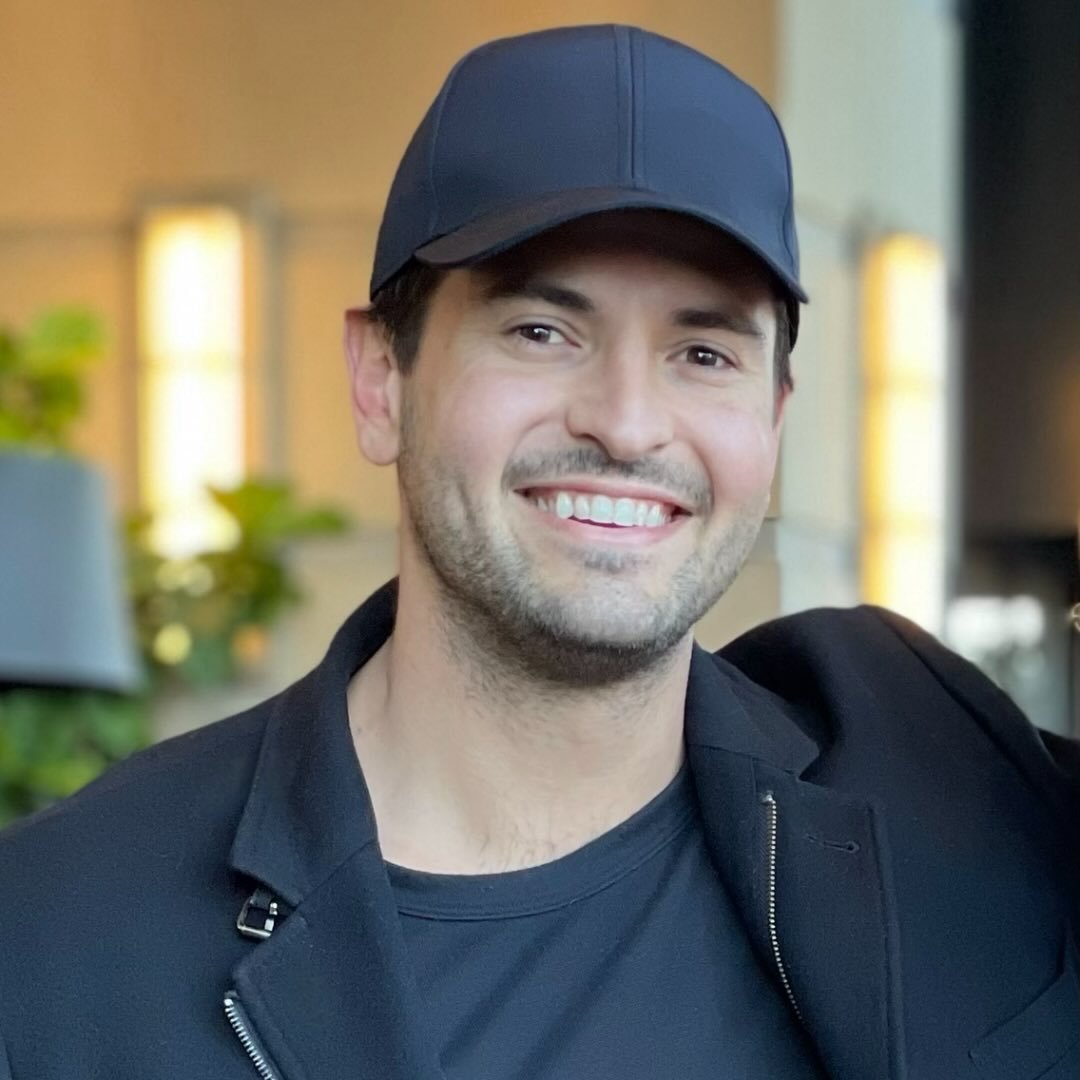
Brings the Acorus habitat system and its architectural logic—spherical, linked, repairable civic sanctuary infrastructure suited to distributed local manufacture and climate-adapted settlement.

Stefanie Atkinson Schwartz

Stefanie Atkinson Schwartz

Multisensory Experience

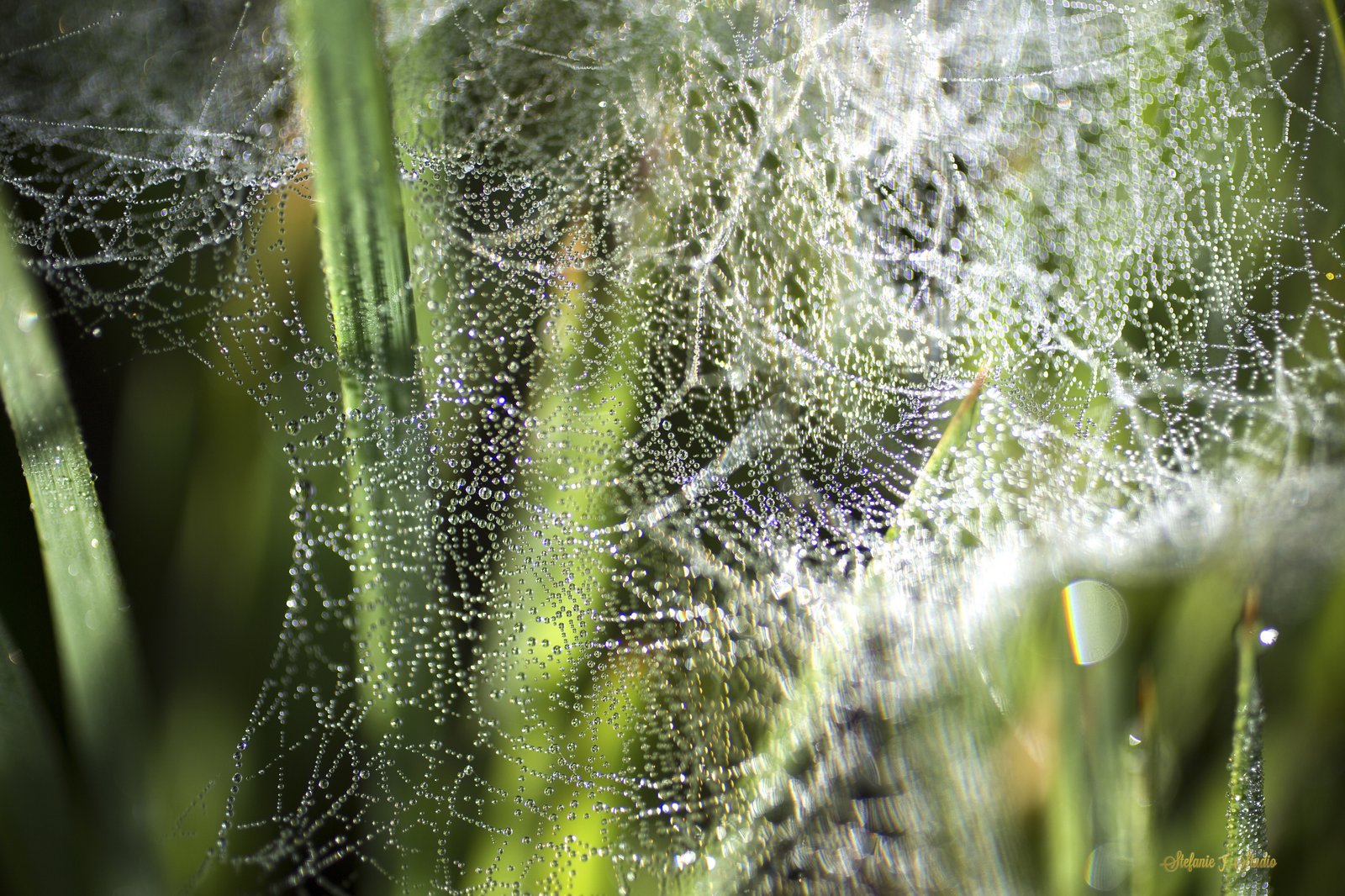
Brings multisensory experience design, embodied perception, and visual storytelling into the worlding process. Her work explores the intersection of nature, sensation, and ecological awareness.

Roxi Shohadee

Roxi Shohadee

Creative Producer

Brings production expertise and creative strategy to the HOME project, supporting its development across immersive art, housing innovation, and community engagement.